Language, Media & Truth – Narrative, Power and the Making of Reality
LANGUAGE, MEDIA & TRUTH
NARRATIVE, POWER and the MAKING of REALITY
Language is not neutral. Media does not just report — it constructs. Every narrative we consume subtly shapes how we understand ourselves, others, and the world. Language, Media & Truth gathers writing that probes how words, stories, reporting and platforms influence power, meaning, perception and political reality.
LANGUAGE FRAMES REALITY
Language, Media & Truth is where Pen vs Sword examines the struggle over meaning in a world saturated by narratives, platforms and competing claims to authority. Language is never just descriptive. It frames reality, distributes credibility, and shapes what can be said — and by whom.
Journalism, political speech, social media, literature and whistleblowing all sit within this terrain. The question is no longer simply what is true, but how truth is constructed, mediated and contested.
As trust in institutions erodes and information circulates at unprecedented speed, the power to define reality has become both more concentrated and more unstable.
HOW STORIES ARE TOLD AND UNDERSTOOD
This section brings together essays on writers, journalists, thinkers and media systems that influence how stories are told and understood. Pen vs Sword approaches language not as a neutral tool, but as a site of power — one that can illuminate injustice or obscure it, challenge authority or reinforce it.
Rather than chasing breaking news, these essays step back to examine patterns: how propaganda functions, how dissent is marginalised, and how narrative frameworks shape public consent.
The aim is not to offer certainty, but to cultivate critical attention — to the words we consume, the voices we amplify, and the silences we accept.
Featured articles on narrative and power below examine how language, media and representation shape what is accepted as truth. From propaganda and journalism to storytelling and political rhetoric, the pieces below explore how narratives are constructed, circulated and contested — and how power often operates through framing rather than force. Together, they ask who gets to speak, whose voices are amplified or erased, and how meaning itself becomes a site of struggle.
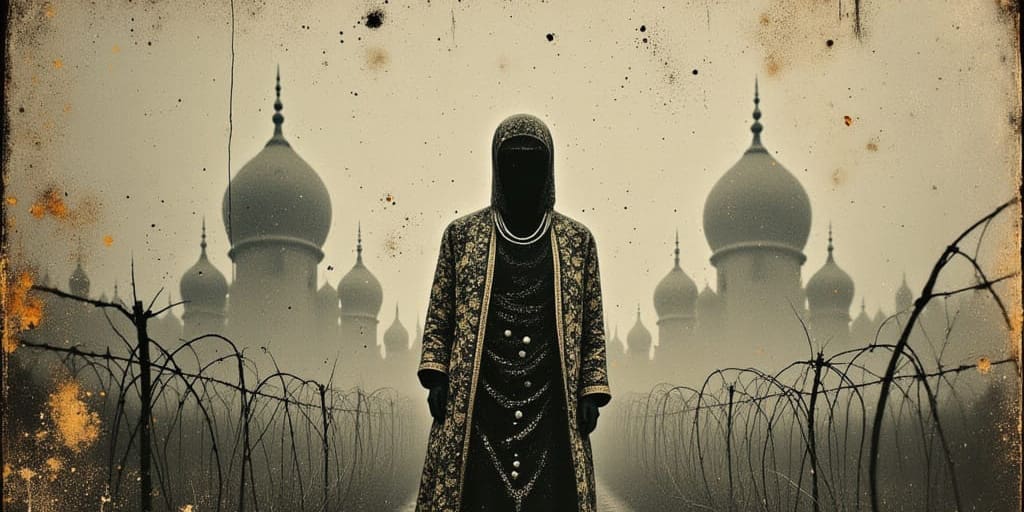
Ece Temelkuran – Journalism under authoritarian pressure
FEATURED ECE TEMELKURAN: A COURAGEOUS PEN
Journalism under authoritarian pressure
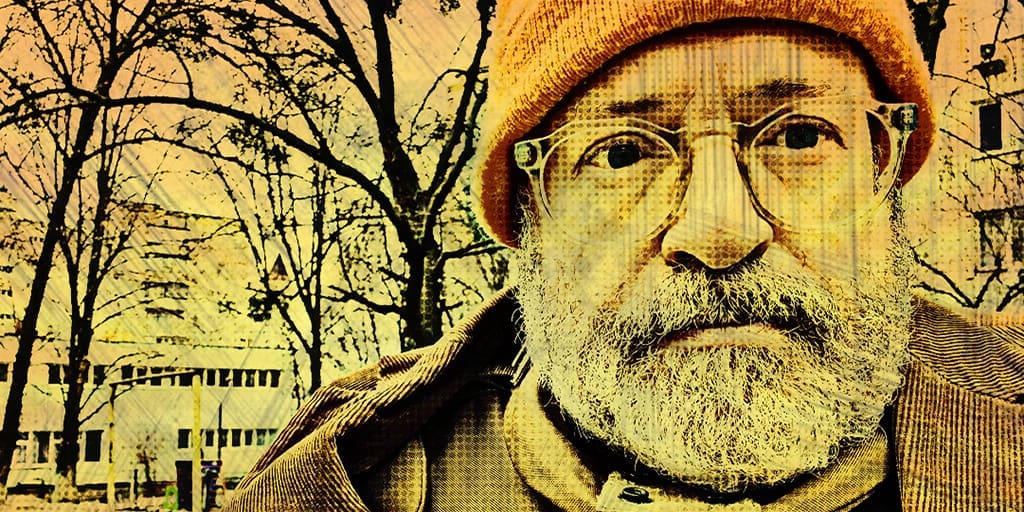
The life and work of Ece Temelkuran illuminate how journalism can be both a medium and a weapon of truth. Her career shows how narrative shapes political reality and the risks truth-telling can carry.
In the world of investigative journalism, there are those whose names become synonymous with fearless pursuit of truth, often at great personal risk. John Sweeney is undeniably one of those figures.
Aaron Swartz – A relentless pursuit of making information accessible to all
FEATURED THE LIFE AND LEGACY OF AARON SWARTZ
A relentless pursuit of making information accessible to all
Aaron Swartz’s legacy is not just a historical footnote but a living call to action – advocating for open access, fighting for digital rights, and championing a vision of the internet as a tool for empowerment rather than control.
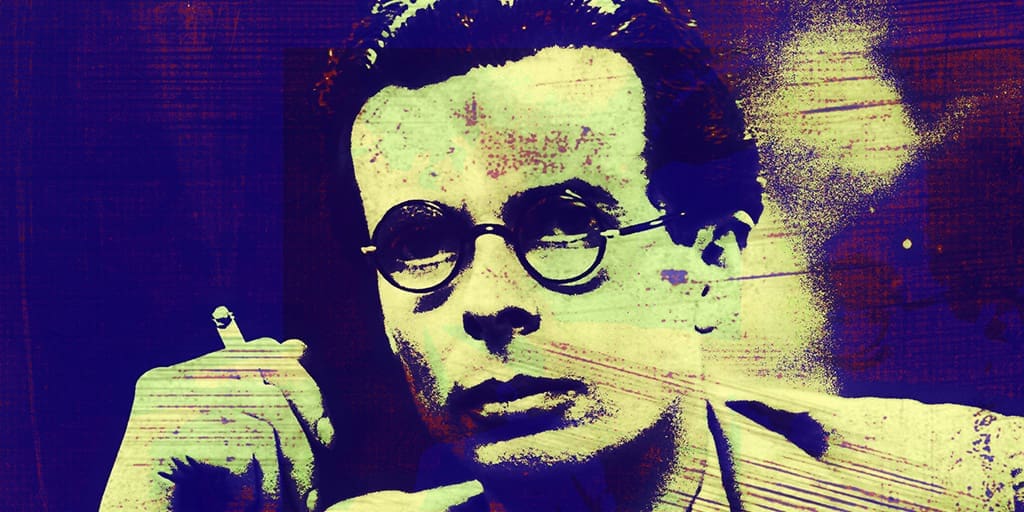
Benjamin Zephaniah: Breaking Chains and Shaping Minds
BENJAMIN ZEPHANIAH – BREAKING CHAINS AND SHAPING MINDS
The Profound Impact of Benjamin Zephaniah’s Poetry
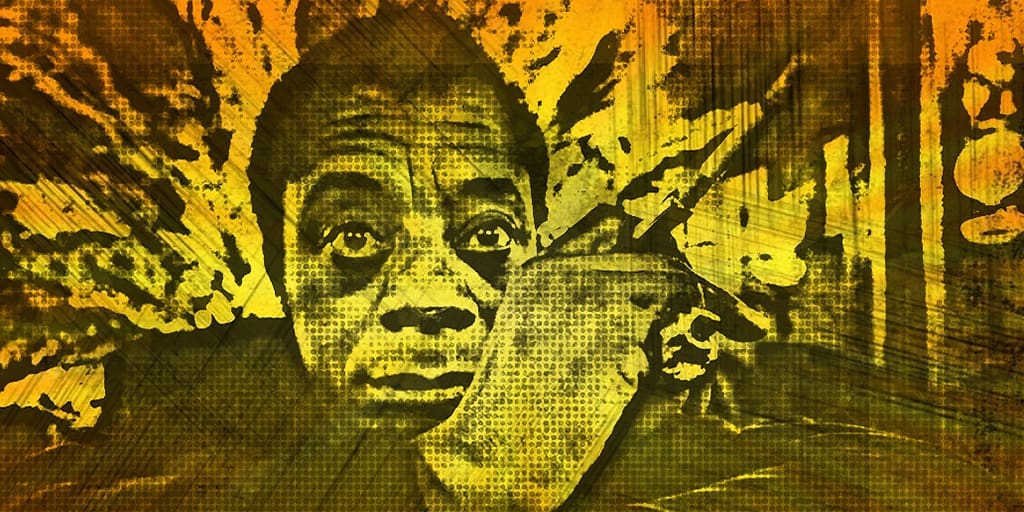
In the symphony of voices that echo through the corridors of contemporary literature, Benjamin Zephaniah’s resonates with a distinct cadence, a rhythmic heartbeat that pulsates with the vigor of social activism and the soulful melody of personal experience.
At the centre of Language, Media & Truth is a recurring tension between speech and power. Who is heard? Who is believed? And what mechanisms determine credibility in a crowded media landscape?
Many essays here focus on journalists and writers who have operated at the edges of acceptability — those who challenged official narratives, exposed abuses, or paid a personal price for insisting on uncomfortable truths. Figures such as whistleblowers and independent reporters appear not as heroes by default, but as case studies in how systems respond to disruption.
Another thread running through the category is the role of media structures themselves. Corporate ownership, platform algorithms, state pressure and audience economics all shape what becomes visible. Truth, in this context, is not simply discovered — it is filtered, framed and frequently contested.
The category also engages with broader philosophical questions about language. How do words acquire authority? How does repetition turn ideology into common sense? And how do narratives of fear, security or progress limit the range of imaginable alternatives?
What unites these essays is an insistence on attention. Language, Media & Truth does not claim to resolve uncertainty, but to make its mechanisms visible. By tracing how stories are constructed and circulated, the category invites readers to read more critically — and to recognise that truth is not only a matter of facts, but of power.
Art and Power | Resistance and Authority Meet
RELATED READING
Books about Language, Media and Truth – Visit curated books on Narrative, Power and the Making of Reality
You’ll find thoughtful selections on: Narrative theory and ideology – Journalism and public discourse – Media critique and propaganda – Critical language studies – Explore these and more via our curated Promises Project Bookshop
REVEALING PIXELS OF PROTEST, THREADS OF RESISTANCE
A Protest in Pixels: Same Image, Different Judgment
This is the story of two adverts, one collaboration, and one flag. It’s about art, protest and the strange, shadowy way that online platforms like Meta decide what acceptable political expression is, and what gets silenced.
You might also be interested in these categories which offer different angles on Language, Media and Truth – offering: attention, historical context, and critical distance. In a media environment designed to overwhelm, that in itself is a form of resistance.
Counter-narratives and Stories of Collective Power
All of our content is free to access. An independent magazine nonetheless requires investment, so if you take value from any of our content, please consider sharing, subscribing to our mailing list or donating if you can. Your support is always gratefully received.