


S/HE IS STILL HER/E
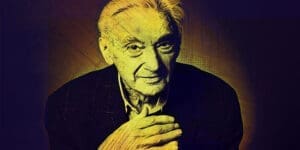
In this Moving Images article, Greg Fenton turns his attention to S/HE IS STILL HER/E – The Official Genesis P-Orridge Documentary, a powerful and intimate portrait of an artist who defied convention at every turn.
With his signature depth and insight, Greg explores the film’s raw honesty, archival richness, and emotional complexity – tracing Genesis’s transformative journey through music, identity, and art.
Whether you’re already familiar with their groundbreaking legacy or discovering it for the first time, this documentary – and Greg’s take on it – offers a compelling entry point into one of the most radical cultural figures of our time.
Table of Contents
All of our content is free to access. An independent magazine nonetheless requires investment, so if you take value from this article or any others, please consider sharing, subscribing to our mailing list or donating if you can. Your support is always gratefully received and will never be forgotten. To buy us a metaphorical coffee or two, please click this link.
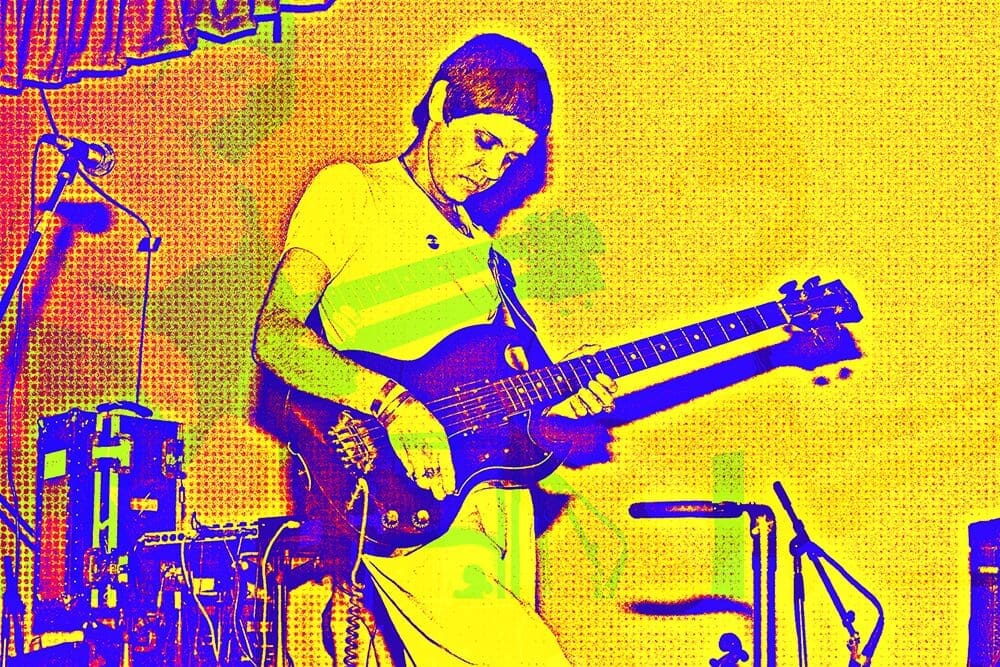
Everything will be fantastic if we just don’t have fear
Where to begin. Where to end. I brought many preconceptions with me before watching this film, and the life and time of the artist Genesis P-Orridge – someone who has inspired a series of opposites
For a start, I didn’t expect to be greeted early on by the warmth of, ‘Everything will be fantastic if we just don’t have fear’ while echoes of Discipline still reverberate. And so the contradictions and contrasts between characters pepper this revealing and excellent documentary made by David Charles Rodrigues (Gay Deep South).
What you are greeted with initially: the abrasive provocation to where you end up at, with a much kinder, more peaceful being, is quite an evolution. A life can only be described as an admirable one in that regard.
*All Book Images Open a New tab to our Bookshop
**If you buy books linked to our site, we get 10% commission from Bookshop.org, whose fees support independent bookshops.
Notions of Rebellion
Soon after that initial spark however, it felt like light had left the room. Beyond the theatre of COUM Transmissions, bleeding into the creation of Throbbing Gristle and the darker provocations centred on them. At the time, Punk also emerged and they felt like a very different proposition to any of the more glib notions of rebellion.
Utilising noise and art in the due process as divisive, challenging mechanisms of communication. An impression which has never lost its power over time, place and emotion. One which could touch something approaching serenity at times, despite the industrial intensity and the intentional shock of 1978’s Zyklon B Zombie as a flipside.
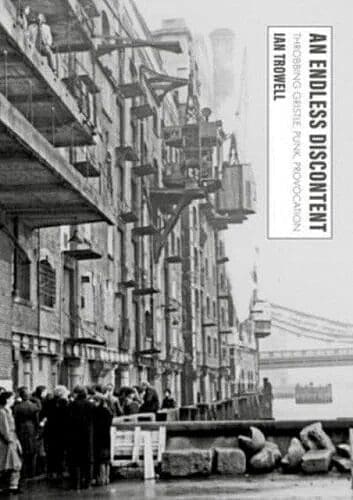
A Story of Death
This is a story of death and the possible point of no return, yet one which has its many moments of lively inspiration. The word ‘transgression’ always comes to mind when I think of Genesis P-Orridge’s life, although I wonder if such a philosophy or sentiment ultimately returns you to where you began, repeatedly tiring the process, wearing it down so that it loses its bite.
This documentary is very much S/He’s story, and apart from referencing only a handful of fellow travellers, it therefore seemed almost one-sided at times – was Chris Carter even mentioned as an electronic musician? Who, let’s face it, could easily have been said to be the primary sound of TG, of the four contributing parts. Cosey Fanni Tutti is referenced, given all that has been stated. But in this instance, it is S/He’s version of the story to tell.

COUM Transmissions
It’s worth watching ‘Other, Like Me: The Oral History of COUM Transmissions and Throbbing Gristle’ from 2021 for a fuller picture of COUM Transmissions and its cast of characters involved before Throbbing Gristle formed. Psychic TV also receives its due and a lasting testament.
Psychic TV
I am showing my own bias here, favouring the earlier works from the late seventies and very early eighties, although I am not overtly convinced of the importance of the extremes employed in delivering that message to garner results. Psychic TV is yet another story.
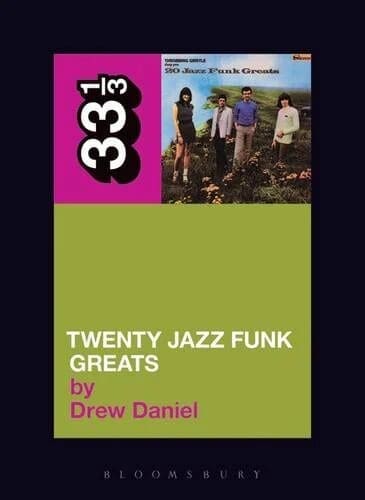
Philosophical Thought
Genesis’s art expanded well beyond the sound of music into fields of sculpture and various visual arts, and is likewise highlighted here, alongside much philosophical thought and the primary influence of writers like William Burroughs and Brion Gysin. For students of the unconventional, there is a rich world to explore and immerse themselves in here.
Dissenting Voices
Ideas of gender, identity, and transformation are also explored, which is a central theme, how could it not be? This is nothing short of a fascinating journey, one that allows our imaginations to live life to its fullest, exploring every possibility. Not short of criticism either, the film contains dissenting voices, lending the film occasional balance.

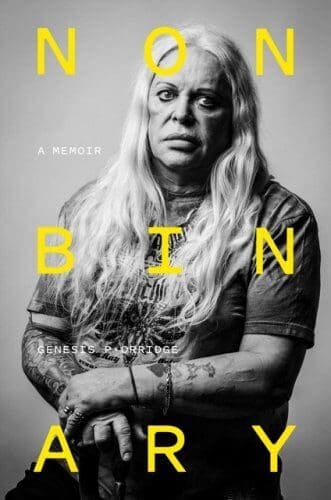
Unconditional Love
The phrase ‘unconditional love’ keeps recurring in the latter half of the film. Perhaps this is not a sentiment you might readily expect, unless you have been closely following the artist throughout. Through marriage, remarriage, children, finding unconditional love, and loss. Yet continuation and belief in the infinite is ever present. Genesis P-Orridge passed away in 2020.
Ultimately, this is about the art of living outside mainstream conventions and the confines they potentially entail. It is also sad to watch, due to the artist’s apparent finality, and the heartfelt words expressed by the daughters, accompanied by their profound sense of loss, make this a very human story in the telling.
You don’t have to know or even like an artist or everything they do to appreciate their art. It’s all personal opinion in the end.
Perhaps we may not see S/He’s like again. Maybe that’s enviable in this age of quiet conformity.

Find out about Film Screenings here
*Visit and Subscribe to Greg Fenton on X
**Visit The MagazineSixty website
***Visit and Subscribe to Greg Fenton on Instagram
Browse 1000’s of Books in Our Promises Books Bookshop

































What do you think?