
About the Author

We write image rich articles about Today's Questions and Events that have Shaped Us. Deep Dives into Artists, Wordsmiths, Thinkers and Game Changers. It's Mightier When You Think!
Graphic Novels as Art, Politics and Cultural Mirror
Graphic novels occupy a singular space in modern storytelling. Neither wholly literature nor purely visual art, they are a marriage of both, a language spoken in ink, colour, and white space. They demand engagement on multiple levels: a reader must interpret text, absorb imagery, and navigate the rhythm of panels to fully grasp meaning.
What began as a marginal medium, often dismissed as “comics for children” or escapist fantasy, has, over the past half-century, transformed into a vital arena for exploring human experience, political commentary and cultural identity.
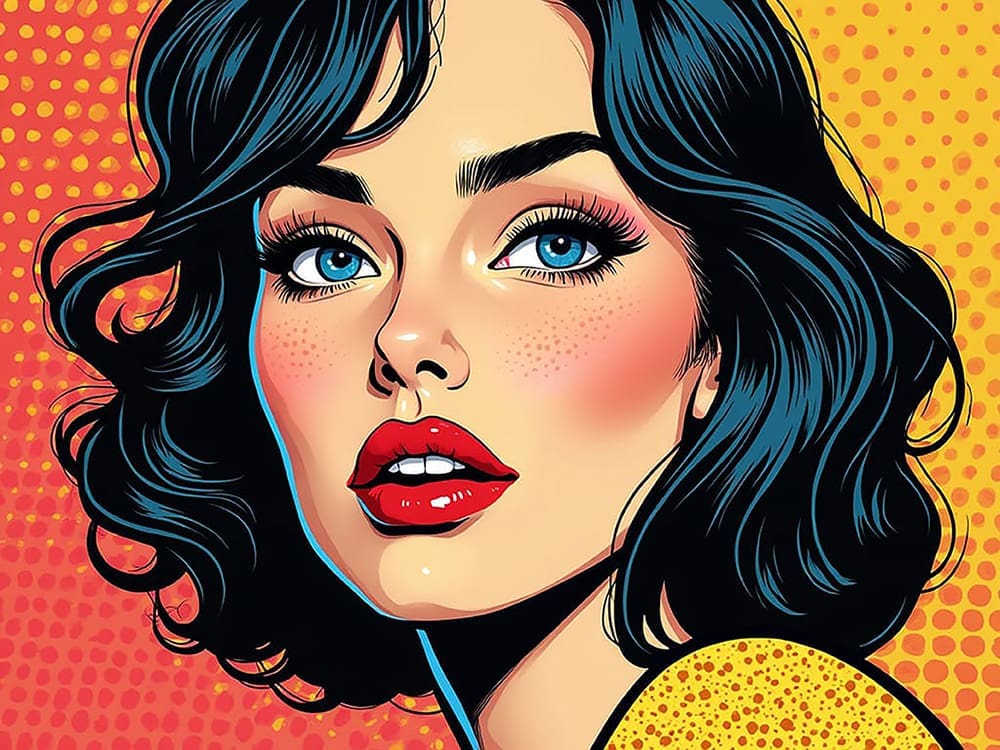
"Life always takes the side of life, and somehow the victims are blamed..."

Art Spiegelman
All of our content is free to access. An independent magazine nonetheless requires investment, so if you take value from this article or any others, please consider sharing, subscribing to our mailing list or donating if you can. Your support is always gratefully received and will never be forgotten. To buy us a metaphorical coffee or two, please click this link.
Table of Contents
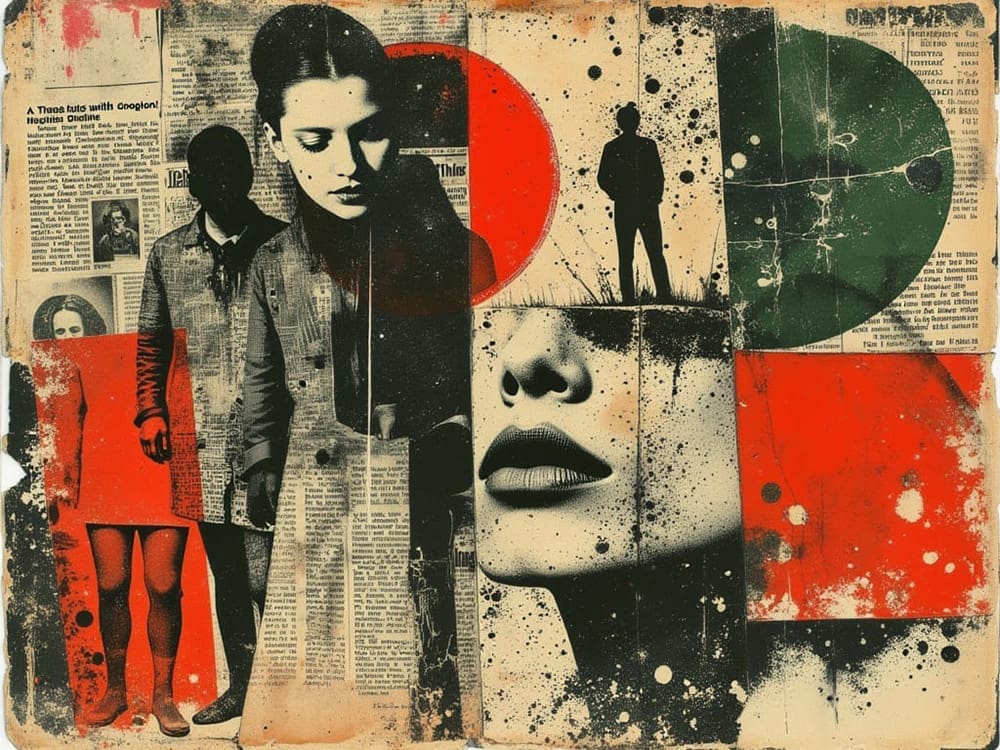
From Margins to Mainstream
Art Spiegelman’s Maus, with its harrowing depiction of the Holocaust through anthropomorphic characters, shattered the perception of what comics could convey. In the grim black-and-white panels, history is rendered intimate, grotesque, and human all at once. Similarly, Marjane Satrapi’s Persepolis narrates her coming-of-age against the backdrop of the Iranian Revolution, demonstrating that graphic novels can weave personal narrative with the sweep of history, making complex political realities tangible. These works, alongside contemporary titles like Riad Sattouf’s The Arab of the Future and John Lewis’s March, have positioned graphic novels as a legitimate literary and artistic form, capable of both introspection and social critique.
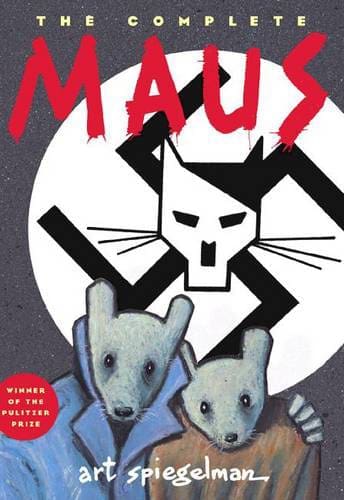
Yet the evolution of the medium is inseparable from its outsider origins. Graphic novels have long provided a haven for voices silenced or marginalized in mainstream culture. Whether exploring sexuality, race, or political dissent, creators have turned the medium’s hybrid nature into an instrument of empowerment. The narrative power of the graphic novel lies in its ability to translate the ineffable into the visual: trauma, identity, oppression, and joy – all conveyed simultaneously through words and images. It is a medium that refuses to be singular, one that mirrors the complexity of life itself.
Graphic Novels as Art: The Marriage of Word and Image
At its core, graphic novels are an experiment in storytelling. The marriage of word and image allows creators to explore narrative structures impossible in prose alone. Consider Alison Bechdel’s Fun Home, where meticulous architectural drawings of her childhood home mirror the emotional architecture of memory, each panel a deliberate reflection of interior life. Chris Ware’s Building Stories pushes the form further, a fragmented narrative of urban alienation that mirrors the reader’s navigation of the physical book itself. Shaun Tan’s The Arrival, almost entirely wordless, communicates the immigrant experience with visual poetry so potent that words would feel redundant.
This blending of artistic sensibility and narrative technique allows graphic novels to express the personal and the political with equal resonance. The visual medium captures nuances that prose struggles to convey: a fleeting expression, the weight of a landscape, the texture of memory. By juxtaposing image and text, creators can manipulate time, pace, and emphasis in ways uniquely suited to exploring human consciousness. The tension between what is shown and what is said becomes a narrative device in its own right, drawing readers into the interpretive act and creating a shared authorship between creator and audience.
In comparison with traditional literature or film, graphic novels occupy a liminal space. They are intimate yet expansive, accessible yet demanding, combining the immediacy of visual art with the introspection of literature. As a result, they appeal to multiple senses and levels of engagement, making them both versatile and enduring.
"You must base everything on these 3 rules: behave well, speak well, act well."

Marjane Satrapi
Political Commentary Through Panels
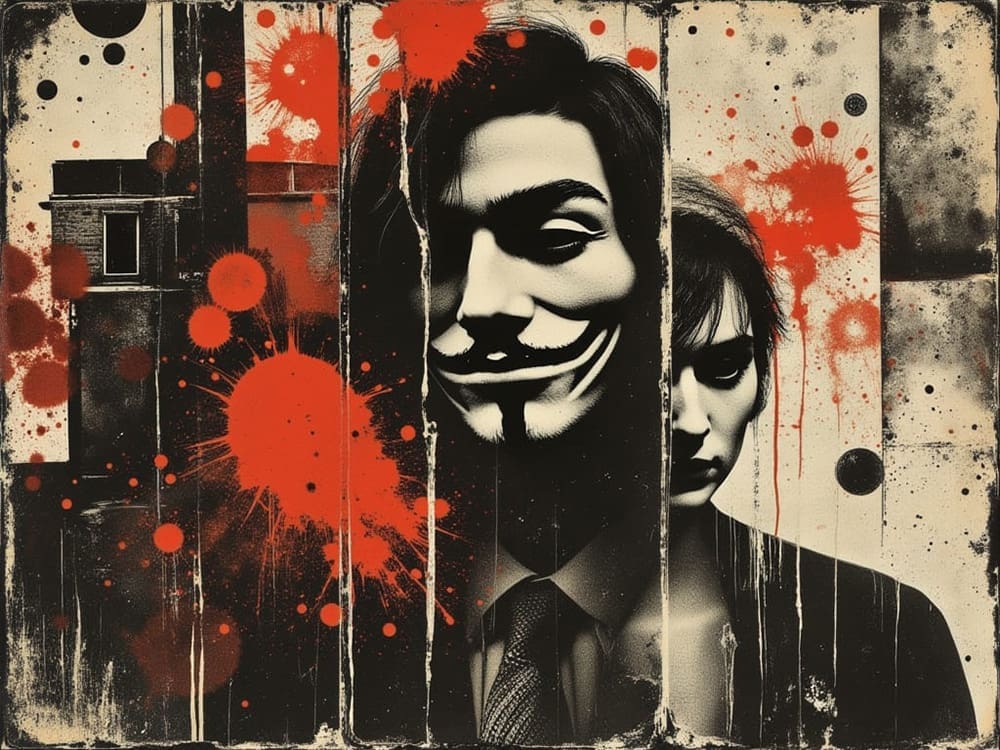
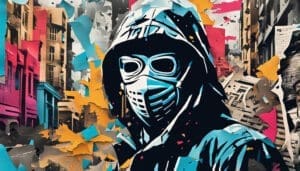
Perhaps no medium bridges art and politics more effectively than the graphic novel. From the underground comics of the 1960s and 70s to contemporary memoirs, graphic novels have long provided a platform for political critique. Alan Moore’s V for Vendetta imagined a dystopian England under authoritarian rule, a meditation on surveillance, resistance, and the moral cost of rebellion. Its iconic Guy Fawkes mask has since transcended the page, becoming a symbol of protest worldwide, demonstrating the medium’s enduring capacity to inspire real-world action.
Similarly, John Lewis’s March documents the civil rights movement with immediacy and authenticity, translating political struggle into visual experience. By depicting the sights, sounds, and textures of protest, these graphic memoirs immerse readers in the visceral reality of political engagement. Riad Sattouf’s The Arab of the Future, by contrast, layers humour and satire over a childhood lived amidst political upheaval, highlighting the absurdities and cruelties of authoritarian systems.
The political power of graphic novels lies not in abstraction but in specificity. They can depict a single event, a personal memory, or a childhood experience and, in doing so, illuminate broader social truths. Unlike journalism, which often prioritizes factual completeness, graphic novels create an emotional truth, a narrative resonance that lingers long after the last page. By harnessing both imagery and language, they translate the complexities of power, oppression, and dissent into forms that are both immediate and reflective.
Fringe, Outsiders and Marginalized Voices
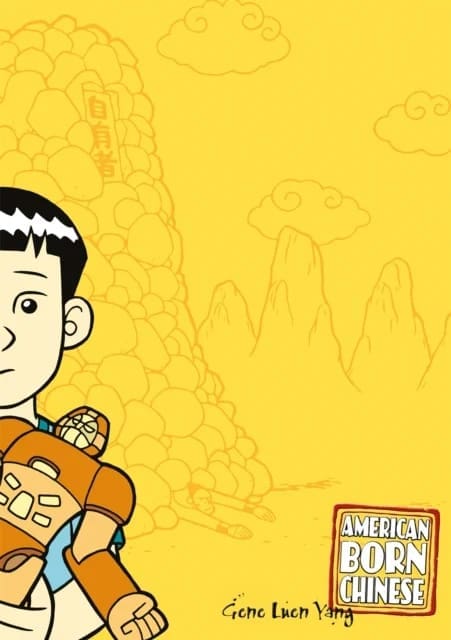
One of the most revolutionary aspects of the graphic novel is its capacity to give voice to those traditionally excluded from mainstream culture. The medium’s flexibility – its freedom from conventional literary constraints – has made it a haven for outsiders and marginalized creators. Alison Bechdel’s Fun Home confronts the intersection of sexuality, family and grief, challenging societal norms while offering a deeply personal narrative. Gene Luen Yang’s American Born Chinese explores the intersections of race, identity, and cultural assimilation with humor and nuance.
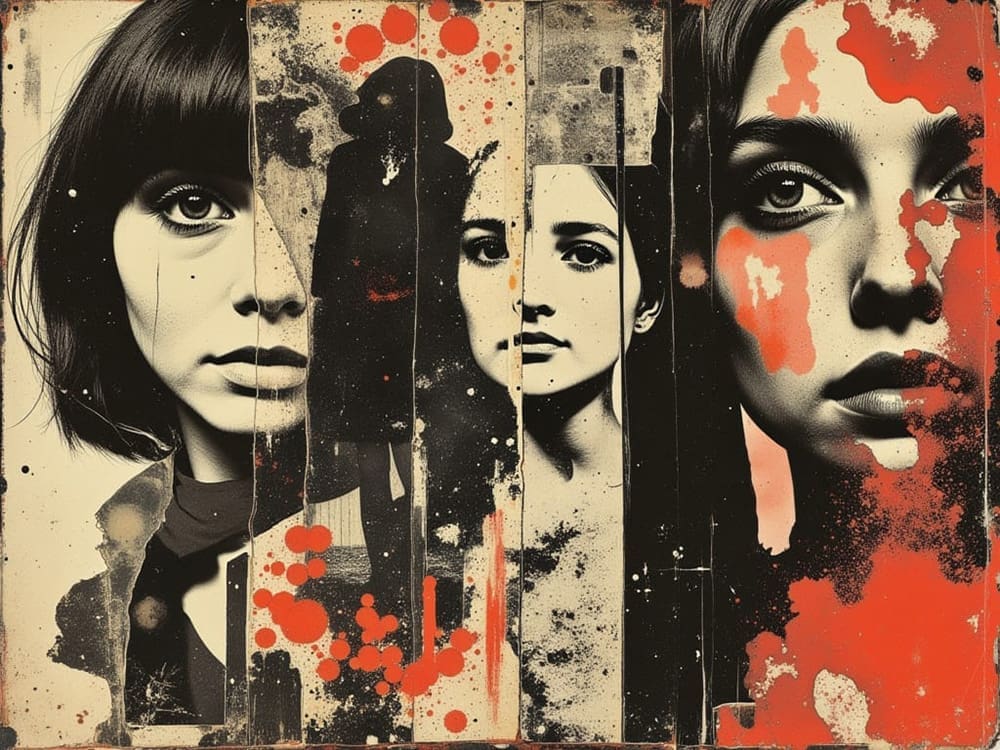
Marjane Satrapi, Riad Sattouf, and Emil Ferris (My Favourite Thing is Monsters) similarly use the medium to navigate political, cultural, and personal liminality. Satrapi recounts her childhood in revolutionary Iran, Sattouf in Libya and Syria, and Ferris reconstructs the trauma of 1960s Chicago, blending horror, memoir, and detective fiction. These narratives exemplify the graphic novel’s capacity to serve as both an artistic playground and a platform for social critique.
What unites these works is the insistence that voices on the margins are central to cultural understanding. Graphic novels allow creators to experiment formally, pushing the boundaries of narrative structure while addressing the realities of lived experience. They function as both mirror and amplifier, reflecting marginalized perspectives while ensuring they are heard by wider audiences.
The digital age has amplified the reach and influence.
Reflecting Today’s World
In the 21st century, graphic novels continue to resonate because they reflect the complexity, fragmentation, and immediacy of contemporary life. Titles like Brian K. Vaughan’s Saga and Y: The Last Man grapple with questions of gender, survival, and social upheaval. Ms. Marvel introduces a Muslim teenage superhero navigating adolescence, identity and heroism in an interconnected, media-saturated world.
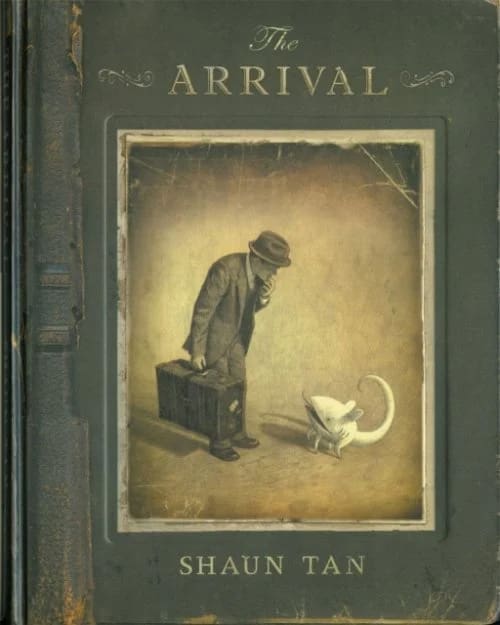
Graphic novels also provide an imaginative lens on global crises. Shaun Tan’s The Arrival and Marjane Satrapi’s Persepolis visualize migration and displacement with clarity and empathy. The hybrid medium – part visual, part textual – offers an immediacy that traditional prose often cannot match, allowing readers to inhabit both the external and internal landscapes of characters’ lives.
In addition, the digital age has amplified the reach and influence of graphic storytelling. Webcomics and digital publications have democratized access, allowing creators from anywhere in the world to share narratives with global audiences. These works often tackle urgent contemporary issues – climate change, political repression and gender dynamics – with a visual immediacy that renders abstract threats tangible.
"It's easy to become anything you wish... so long as you're willing to forfeit your soul."

Gene Luen Yang
The Mechanics of Storytelling: Craft and Innovation
The graphic novel is defined by the craft of its form. Panel composition, pacing, colour, and line work are not mere decoration; they are central to narrative meaning. Chris Ware’s meticulous, geometric layouts in Building Stories reflect the fragmented, alienated urban lives of his characters. Art Spiegelman’s dense layering in Maus conveys the complexity of memory and trauma. Shaun Tan’s surrealist landscapes in The Arrival communicate the alienation of migration without a single word.
Innovation in form parallels innovation in content. Graphic novels allow creators to experiment with chronology, perspective, and visual metaphor in ways that prose or film cannot. They can represent time as spatial, emotion as colour, and political tension as visual metaphor. The medium is inherently adaptive: it evolves with each generation of artists and responds to cultural, social, and technological shifts.
Cultural Impact and Legacy
Graphic novels are no longer confined to niche readerships; they have influenced literature, cinema, television, and education. Superhero films, heavily indebted to comic book narratives, dominate global box offices, while memoirs like Persepolis and Fun Home are studied in classrooms for their literary and social value. Beyond entertainment, graphic novels cultivate empathy, critical thinking, and historical awareness, offering readers access to perspectives and experiences outside their own.
Moreover, graphic novels continue to challenge the boundaries of what stories can be told. They normalize complexity, ambiguity, and contradiction, resisting simplistic narratives in a way that resonates with contemporary audiences. By giving visual form to social, political, and personal experience, they create an enduring cultural legacy.
Mirrors to society, platforms for dissent, canvases for imagination
Why Graphic Novels Endure
The graphic novel is an art form that refuses to be pigeonholed. It is at once literature, visual art, memoir, political critique, and social commentary. It thrives on the interplay of text and image, offering experiences that are immediate, intimate, and expansive. From Spiegelman to Satrapi, Bechdel to Yang, graphic novels provide insight into personal and collective identity, making marginalized voices central and political critique tangible.
In a world defined by complexity, fragmentation, and rapid change, graphic novels endure because they capture the contradictions of life itself. They are mirrors to society, platforms for dissent, and canvases for imagination. By fusing the visual and the verbal, they allow us to inhabit perspectives, navigate moral ambiguity, and confront both historical and contemporary crises.
Graphic novels are not merely entertainment – they are a lens through which we can explore the human condition, a chronicle of both inner and outer worlds, and an enduring testament to the power of storytelling in all its forms.
Browse 4000+ Books in Our PromisesBooks Bookshop
About the Author
We write image rich articles about Today's Questions and Events that have Shaped Us. Deep Dives into Artists, Wordsmiths, Thinkers and Game Changers. It's Mightier When You Think!



















Post Comment